
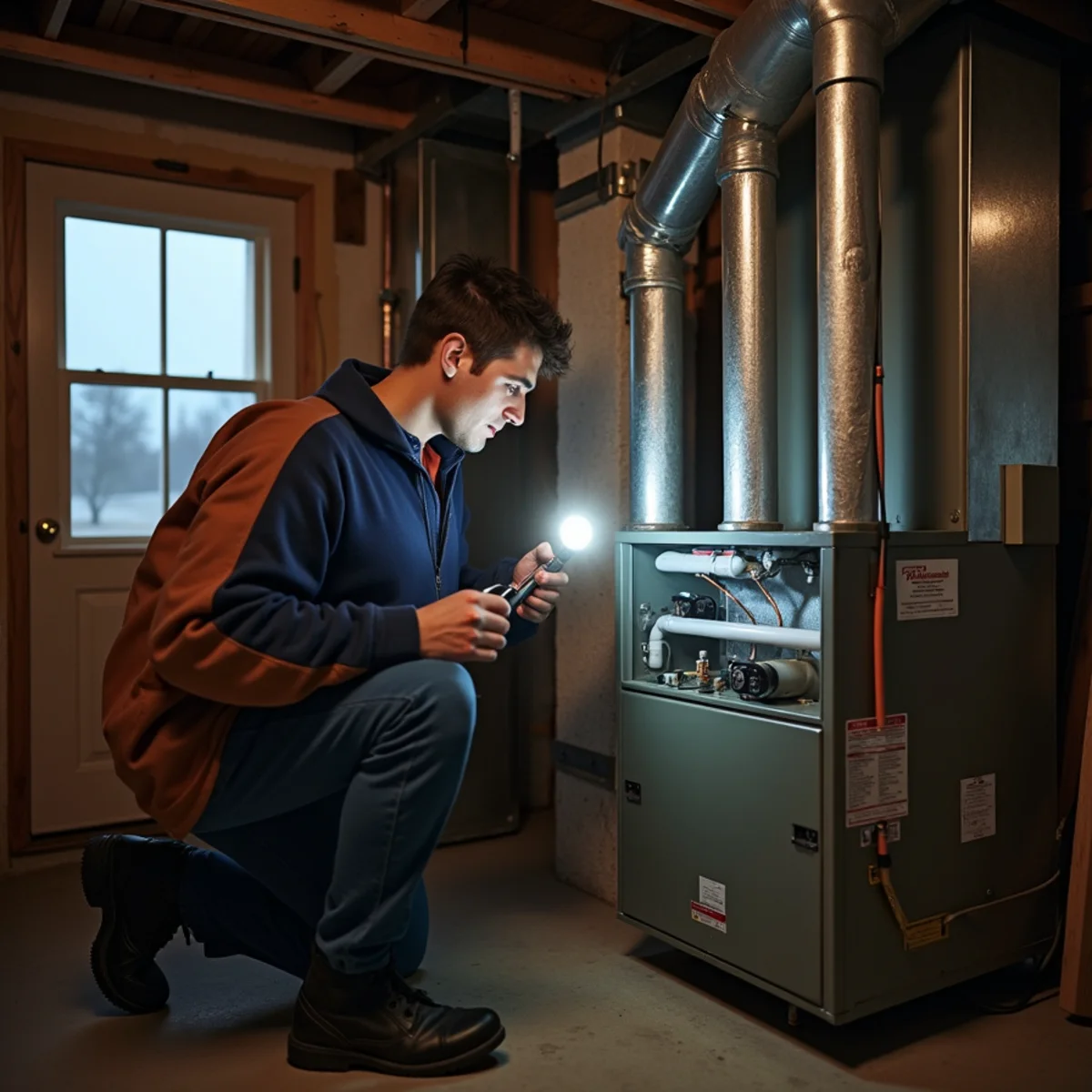
A furnace almost always fails on the coldest night of the year, when it is working hardest. January lows in Somerset average around 29°F and drop well below that in a cold snap. When the heat quits, QC Heating & Cooling Pros answers the phone 24 hours a day and sends a licensed, insured Kentucky HVAC technician to get it running again.
Somerset is unusual: inside the city, Somerset Gas Service supplies natural gas, so gas furnaces are common; out in the county, homes run on propane or electric heat. We repair all three, plus the heat strips and air handlers that go with electric and heat pump systems. Call (321) 478-0693 any time.
Signs your furnace needs repair now
Some furnace trouble can wait for business hours; some cannot. Call right away if you notice:
- No heat at all, or the furnace blowing cold air
- A burning or electrical smell, or any smell of gas
- The furnace short-cycling — starting and stopping every minute or two
- A carbon monoxide alarm sounding
- Loud banging, grinding or booming on ignition
- Soot, or a flame that is yellow and lazy instead of crisp and blue
A gas smell or a CO alarm is an emergency: get everyone out, leave the door open, and call from outside. We cover what to do in detail on our emergency HVAC page.
Natural gas furnaces on Somerset city gas: igniters, flame sensors, inducer motors
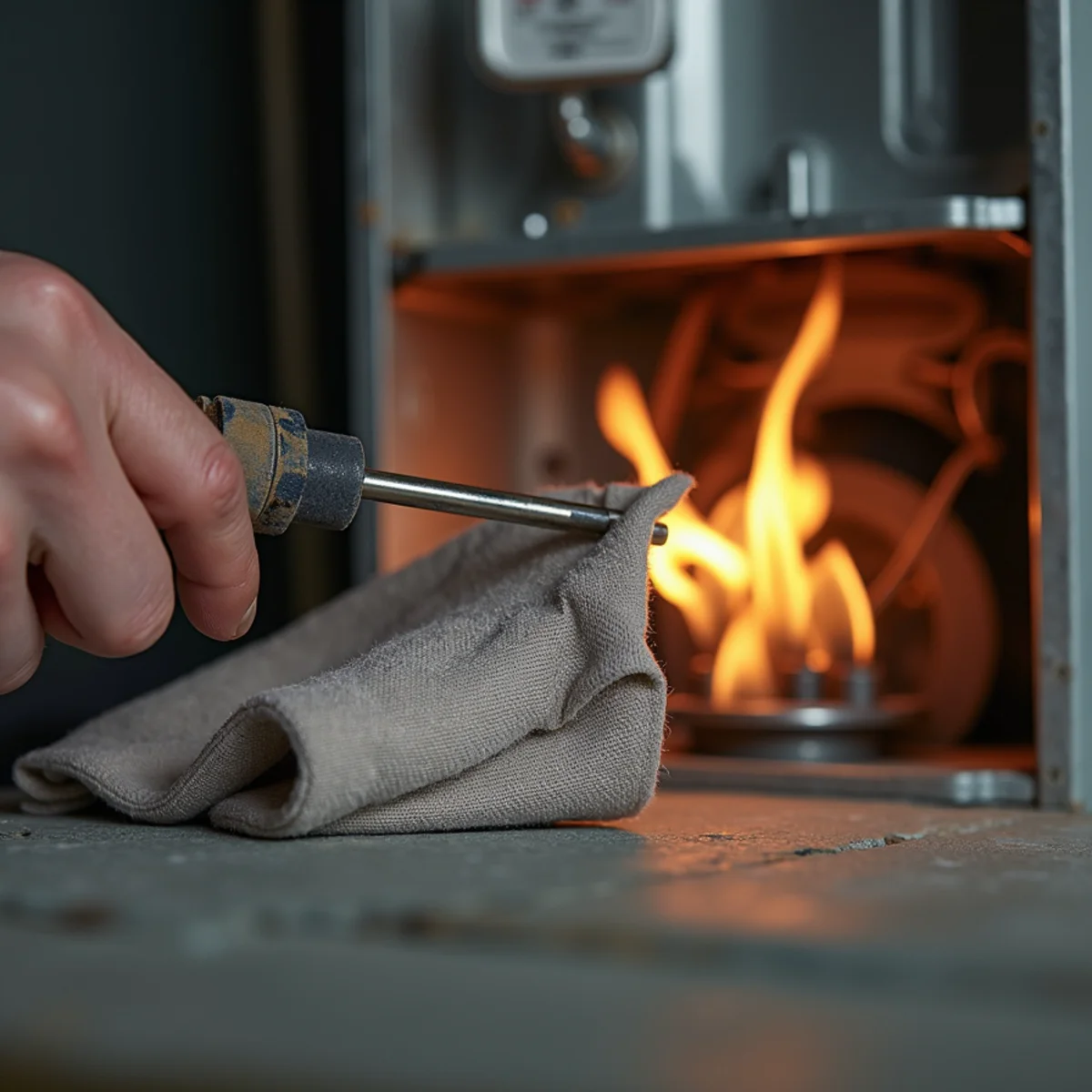
Inside the city on Somerset Gas Service, most no-heat calls come down to the ignition system. Modern gas furnaces use a hot-surface igniter that glows and lights the burners; these crack and fail with age and are a common, straightforward fix. A dirty flame sensor is even more common — it tells the furnace the flame is lit, and when it gets coated it shuts the gas off as a safety measure, so the furnace lights for a few seconds and then quits.
We also repair failed inducer motors (the small fan that clears combustion gases before the burners light), pressure-switch faults, bad gas valves, and control-board problems. Each has a telltale pattern, and we test rather than guess.
Propane furnaces outside the gas mains: regulators, tank pressure and LP parts
Beyond the city gas lines, a lot of Pulaski, Wayne and Russell county homes heat with propane. Propane furnaces are close cousins of natural gas units but set up for a different fuel — different orifices, higher pressure, and an LP regulator at the tank. When a propane furnace will not keep up, the problem is sometimes the furnace and sometimes the fuel supply: a nearly empty tank, a regulator freezing up in bitter cold, or low tank pressure on a deep-cold morning.
We check the whole chain, not just the furnace. If the tank gauge is low we will tell you to call your propane supplier; if the furnace itself needs an igniter, valve, or board, we handle it. Mixing up LP and natural gas parts is dangerous, and we do not.
Electric furnaces and air handlers: heat strips, sequencers, blower motors
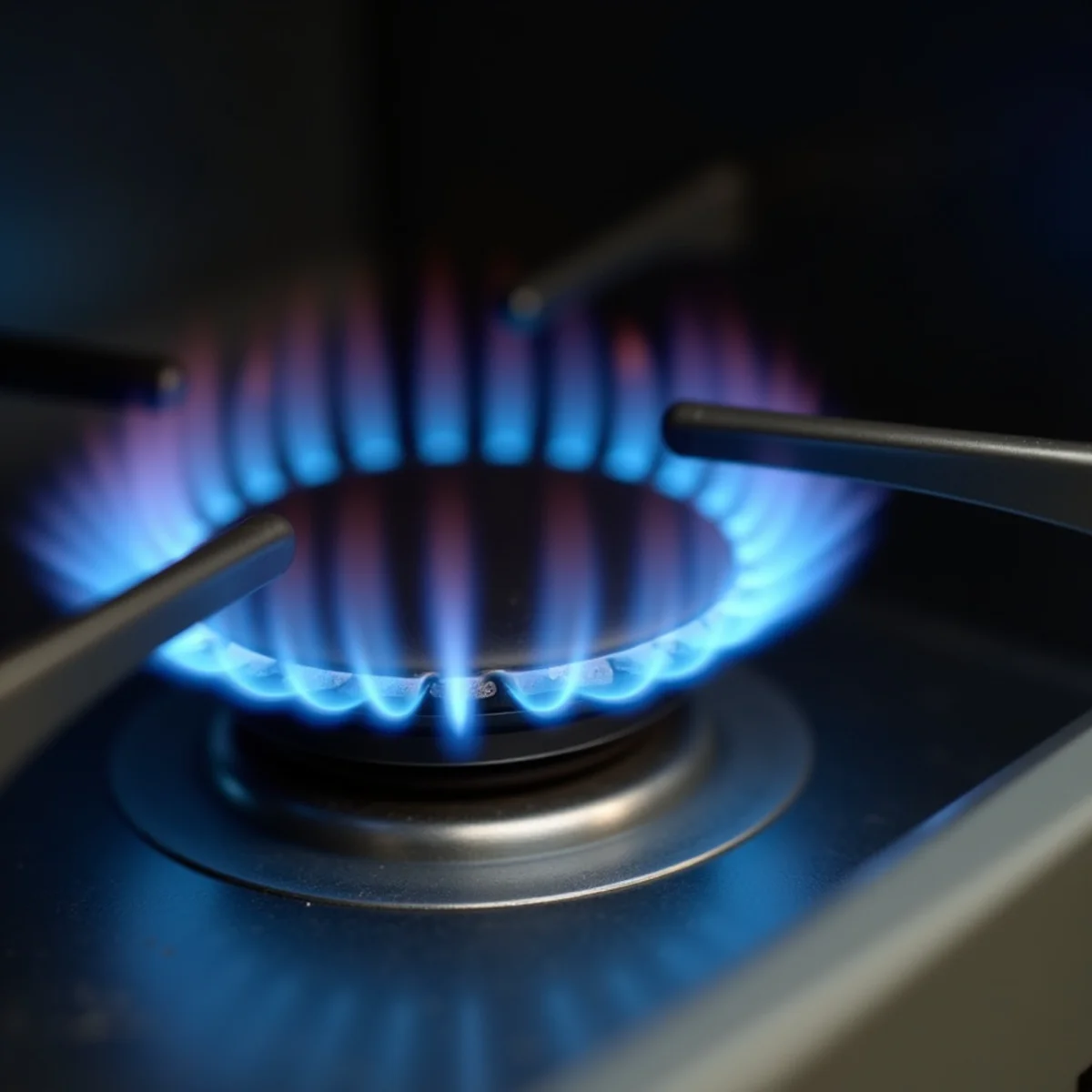
All-electric homes — common in the county and in manufactured homes — heat with electric furnaces or with the heat strips inside a heat pump air handler. When these fail, you often get cool or lukewarm air and a shocking power bill. The usual culprits are burned-out heating elements (heat strips), failed sequencers that stage the elements on, or a blower motor that has quit.
These systems draw serious amperage, so loose or burned connections and tripped breakers are part of the picture too. We test the elements, the sequencers, the limit switches, and the wiring, and replace what has failed.
Cracked heat exchangers and carbon monoxide: when a furnace must stay off
The heat exchanger is the metal wall that keeps combustion gases separated from the air you breathe. When it cracks — usually from age and metal fatigue — it can leak carbon monoxide into the home. This is the one furnace problem we will not patch over. If we find a cracked heat exchanger, we red-tag the furnace and recommend it stay off until it is replaced, and we explain exactly why.
This is also why a working carbon monoxide detector matters in every home with a fuel-burning appliance. If your alarm is sounding, treat it as real, get out, and call us.
What to check before you call
A surprising number of no-heat calls have a simple cause you can rule out in two minutes:
- Thermostat: set to HEAT, temperature above the room, and fresh batteries if it uses them
- Filter: a filter clogged solid will choke a furnace into shutting down on high limit
- Breaker: check the furnace breaker and the condensate safety switch
- Furnace switch: the little light-switch on the furnace sometimes gets flipped off
- Propane: glance at the tank gauge — an empty tank is not a furnace problem
If those are all fine and you still have no heat, call (321) 478-0693 and we will take it from there.
Repair or replace an older furnace
A well-maintained furnace lasts roughly 15 to 20 years. If yours is in that range and needs an expensive part like a heat exchanger or a gas valve, it is worth comparing the repair against a new, more efficient system. If it is newer, a repair almost always makes sense.
We give you the honest comparison when it is a close call, including what a right-sized replacement would cost and what it would save on fuel. You decide with real numbers, never a sales pitch.
What affects furnace repair cost
There is no flat price for furnace repair because it depends on the failure. Cost is driven by:
- The part — a flame sensor cleaning versus a gas valve or control board
- Fuel type — gas, propane and electric use different components
- Access — attic and crawl-space furnaces take longer to reach and work on
- After-hours timing — night, weekend and holiday rates are told to you up front
You always get the diagnosis and the price before any work begins.
The Furnace Repair process, step by step
A no-heat call is not the moment for guesswork, especially on a fuel-burning furnace. Here is how we work a Somerset heating call from the first ring to warm, safe air.
- 1
Live call and triage
A real person answers 24/7 and gathers the basics — your symptoms, how long you have had no heat, your fuel type (city gas, propane or electric), and any gas smell or alarm — then dispatches the nearest technician.
- 2
Safety-first diagnosis
We rule out the dangerous first: gas odor, carbon monoxide risk and a cracked heat exchanger. Then we test for the real fault — igniter, flame sensor, inducer, gas valve, heat strips or blower — by fuel type.
- 3
Price before work
You get the repair and price in writing before any part goes in, with after-hours rates stated up front. If we find a cracked heat exchanger, we explain exactly why the furnace must stay off.
- 4
Repair and verify
We make the repair, cycle the furnace, and confirm it lights cleanly and holds a safe temperature rise before we leave — not just that it kicked on once.
Why choose QC Heating & Cooling Pros for Furnace Repair
Somerset heats three different ways, and a fault on one fuel looks nothing like the others. Here is why homeowners trust us with heating:
All three fuels
Natural gas on Somerset city mains, propane across the county, and all-electric furnaces and heat strips — we repair every one, with the right parts for each.
Safety first, always
We red-tag a cracked heat exchanger and never patch over a carbon monoxide risk to save a service call. Your family comes before the invoice.
Fuel-supply aware
On propane we check tank pressure and the regulator in bitter cold, not just the furnace — because an empty tank or frozen regulator is not a furnace problem.
Answering 24/7
Licensed, insured Kentucky technicians answering live on the coldest nights of the year, when furnaces fail most and the house drops fast.
Areas we cover around Somerset
We serve Somerset and Pulaski County and out across the 40-minute ring. See our full service-area map, or jump to a nearby town:
Frequently asked questions
Why is my furnace blowing cold air?
Common causes are a dirty flame sensor shutting the burners down seconds after ignition, a failed igniter, a thermostat set to "on" instead of "auto" (so the fan runs even when there is no heat call), an empty propane tank, or a furnace locked out on a safety. A technician can pin down which one quickly.
Can you repair propane furnaces out in the county?
Yes. Propane heating is the norm outside Somerset's city gas lines, and we repair LP furnaces throughout Pulaski, Wayne, Russell and Laurel counties. We check the furnace and the fuel supply — tank pressure and the regulator matter as much as the furnace parts on a bitter-cold morning.
Is it safe to run a furnace that smells like gas or burning?
No. A gas smell means get everyone out of the house, leave a door open, and call from outside — do not flip switches. A brief dusty-burning smell at the first heat of the season is usually harmless, but a persistent electrical or burning smell means shut the furnace off and call. If a carbon monoxide alarm is sounding, treat it as real and leave immediately.
How long does a furnace last in Kentucky?
With regular maintenance, a gas or propane furnace typically lasts 15 to 20 years and an electric furnace can run longer. Heat pumps used for heating tend to wear faster because they run year-round. Age plus the cost of the needed repair is the best guide to whether to fix or replace.
What does it mean when my furnace bangs loudly on startup?
A loud bang when the furnace lights is often delayed ignition — gas building up for a moment before it ignites all at once. It is worth fixing promptly because that little explosion stresses the heat exchanger over time. Banging or booming can also be expanding ductwork or a failing blower bearing. Turn the furnace off and call for a diagnosis rather than living with it.
Still have a question, or need help right now?