
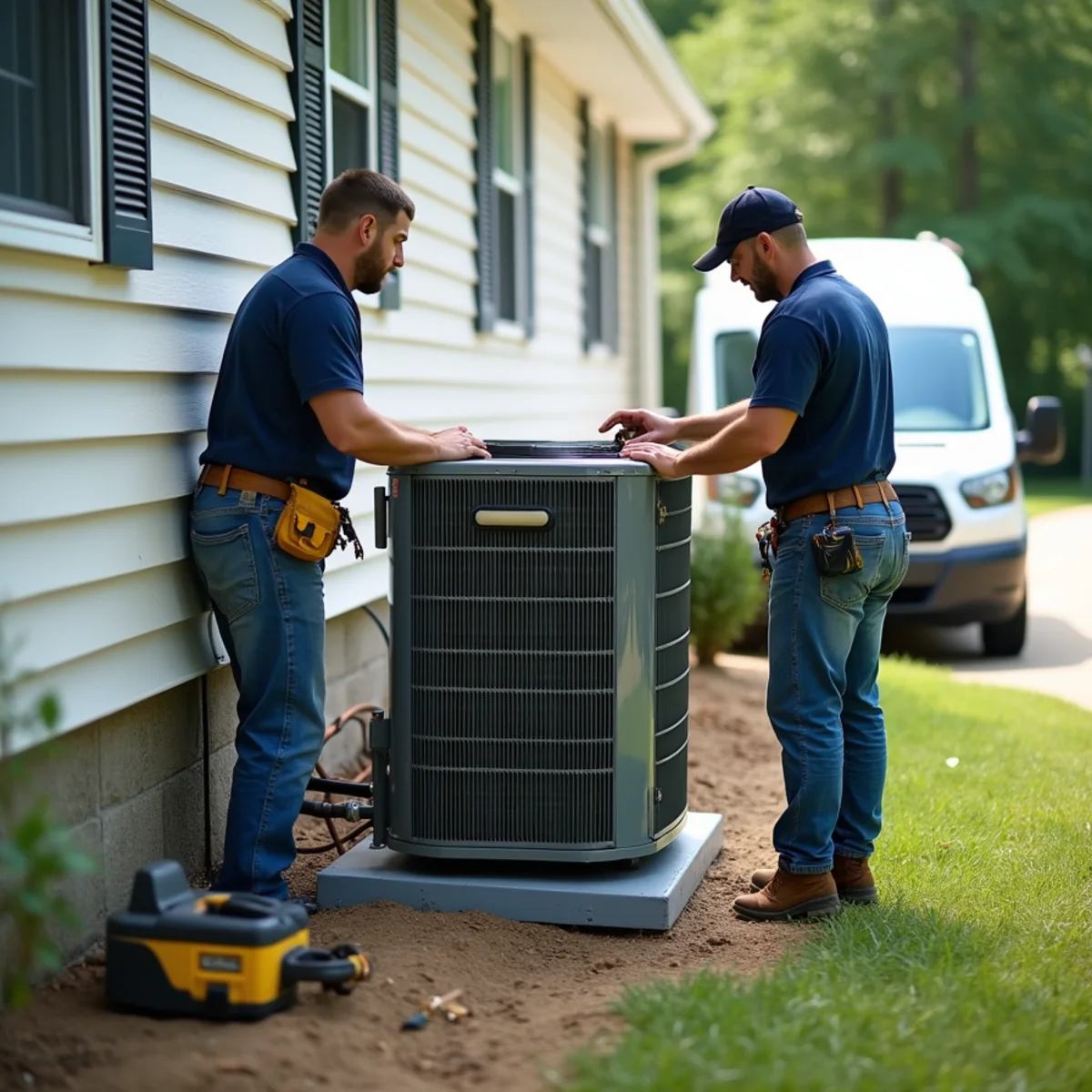
A new heating and cooling system is one of the larger investments a homeowner makes, and in Somerset — where the median home dates to about 1977 — plenty of houses are on their third or fourth system and still breathing through original ductwork. A replacement done right fixes comfort problems the old system never could; done carelessly, it repeats them in new equipment.
QC Heating & Cooling Pros installs heat pumps, gas furnace and AC combinations, dual-fuel systems, package units and ductless mini-splits, sized to your actual home. Call (321) 478-0693 for an estimate, and we will walk the job before we quote it.
Signs it is time to replace instead of repair
Replacement moves from "someday" to "now" when several of these line up:
- The system is 15-plus years old and needs a major part
- It uses R-22 refrigerant and has a leak or failed compressor
- Repairs are getting frequent and the bills keep climbing
- Some rooms never get comfortable and humidity lingers all summer
- Energy bills have crept up as efficiency has fallen off
- A cracked heat exchanger or other safety failure has taken it out of service
One of these alone rarely forces the issue. Three or four together usually mean a new system is the better use of your money, and we will show you the math.
System types for Somerset homes: heat pump, gas furnace with AC, dual fuel, package unit
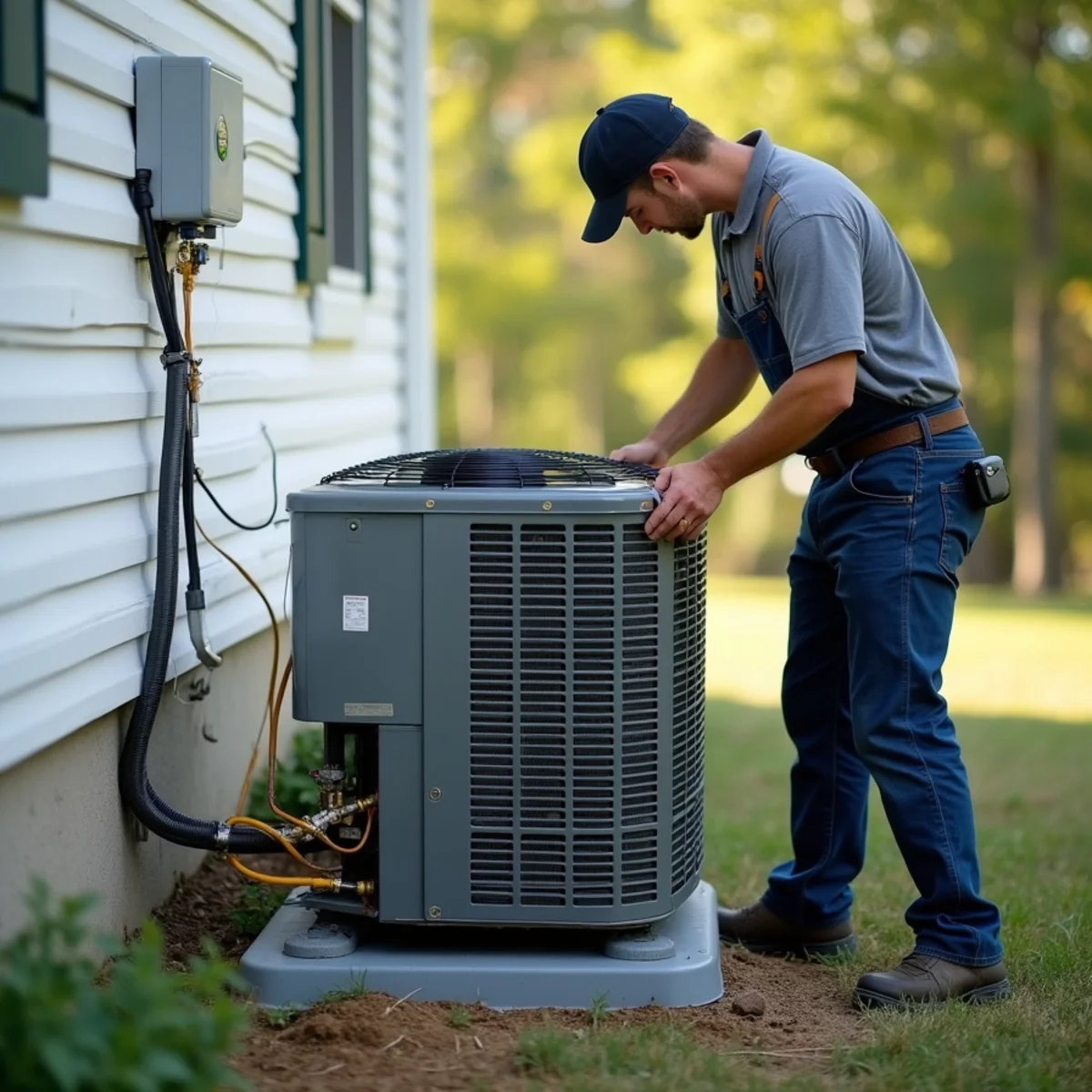
The right system depends on your home and your fuel. Inside the city on Somerset gas, a gas furnace with central AC is a proven, affordable setup. Out in the county with no gas main, an electric heat pump is usually the efficient choice, and a dual-fuel heat pump paired with a propane or gas furnace can be the lowest-operating-cost option where it fits.
Manufactured and mobile homes often take a package unit or a mobile-home-specific downflow system. We match equipment to the house rather than selling one answer to everyone, and we explain the trade-offs in plain terms.
Sizing a system properly: a load calculation, not a rule of thumb
The most important number in any installation is capacity, and the honest way to get it is a Manual J load calculation that accounts for your home's size, insulation, windows, orientation and ductwork — not "a ton per 500 square feet." An oversized system costs more, short-cycles, and leaves the house clammy because it never runs long enough to pull humidity out, which matters a great deal in our climate.
An undersized system runs constantly, wears out early, and leans on expensive backup heat all winter. We size the equipment to the load and select it (Manual S) to match, so the system you buy actually fits the house it goes in.
Ductwork in crawl spaces and attics: leaks, insulation and when to replace

New equipment breathing through leaky old ducts never performs to its rating. In many Somerset homes the ducts run through unconditioned crawl spaces and attics, where decades of sagging, disconnected joints and crushed flex cost you comfort and money — you pay to condition air that leaks into the crawl space before it reaches a register.
During an estimate we evaluate the duct system: leakage, insulation, sizing and layout (Manual D). Sometimes a seal-and-insulate is enough; sometimes sections should be replaced. We tell you what we find and what it is worth, so you are not reusing the weak link in the system.
Manufactured and mobile home systems
Manufactured homes are common across Pulaski and the surrounding counties, and they have specific needs: mobile-home-approved equipment, belly ductwork that runs under the floor, and often tight electrical and clearance constraints. A standard site-built furnace is not a legal or safe substitute for a mobile-home-listed unit.
We install the right equipment for manufactured homes and address the belly-duct problems — crushing, disconnection, missing insulation — that make these homes hard to heat and cool evenly. Done properly, a manufactured home can be just as comfortable as any other.
Permits, inspection and Kentucky HVAC licensing
Kentucky licenses HVAC work statewide through the Department of Housing, Buildings and Construction, and system replacements generally require a permit and inspection. That is a protection for you: it means the work meets code and is checked by someone other than the installer.
Every HVAC technician we send is licensed and insured in Kentucky, and we handle the permit so you do not have to chase paperwork. We never invent license numbers or imply the brand itself holds a license — the licensed contractors in our network perform the work.
Installation day, step by step
A typical changeout runs most of a day. We protect floors and walkways, recover the old refrigerant properly, and remove the old equipment. We set the new unit, make the refrigerant, electrical and condensate connections, address any duct issues agreed in the estimate, and — critically — commission the system: checking charge, airflow and operation rather than just turning it on.
Before we leave, we walk you through the new thermostat and basic care, and make sure you understand the warranty. You should not have to wonder whether it was done right.
Utility rebates and financing questions to ask
South Kentucky RECC has offered heat pump incentives to members, and federal tax credits for high-efficiency equipment appear and change from year to year. We name the programs that may apply and point you to confirm the current terms with the utility and your tax advisor — we do not quote a guaranteed rebate or promise a tax credit, because those figures move.
If you need to spread the cost, ask about financing options when we quote. We will be straight about what is available rather than burying it in the pitch.
What affects the cost of a new system
A fair installation price reflects the real scope of your job. The main drivers are:
- System type and efficiency level (a basic heat pump vs. a high-efficiency or dual-fuel system)
- Correct size for your home from the load calculation
- Ductwork condition — seal-and-insulate vs. partial replacement
- Electrical work, new line sets, pads and code upgrades
- Access and the age of what is coming out
- Permit, inspection, disposal and warranty
We put the scope and price in writing so you can compare apples to apples — not just a number on the back of a card.
The Installation process, step by step
A new system is a big purchase, so our installation process is built to get the size, the ductwork and the commissioning right — the three things that decide whether it lasts.
- 1
In-home assessment and load calc
We walk the home, measure, and run a Manual J load calculation that accounts for your square footage, insulation, windows and ductwork — not a one-ton-per-500-square-feet guess off the old unit.
- 2
Written proposal and options
You get right-sized equipment options (Manual S), an honest ductwork assessment (Manual D), efficiency choices explained in plain terms, and the permit and warranty — all in writing, line by line.
- 3
Installation day
We protect floors and walkways, recover the old refrigerant properly, remove the old equipment, set and connect the new system, and address any ductwork agreed in the proposal.
- 4
Commission and hand off
We commission the system — verifying charge and airflow rather than just switching it on — walk you through the thermostat and warranty, and handle the permit and inspection.
Why choose QC Heating & Cooling Pros for Installation
A replacement done right fixes comfort problems the old system never could; done carelessly it repeats them in new equipment. Here is how we do it right:
Sized by load calc, not a guess
Manual J, S and D on every job, so the system actually fits the house — no oversized unit that short-cycles and leaves you humid.
Ductwork actually evaluated
We check the crawl-space and attic ducts and fix the weak link instead of bolting a new system onto leaky old ducts that waste its rating.
Permit and inspection handled
We pull the permit and handle the inspection required under Kentucky code, so a third party verifies the work and you are not chasing paperwork.
Honest options, no pressure
If a repair still makes more sense than a replacement, we tell you. You get real numbers for both and decide without a sales pitch.
Areas we cover around Somerset
We serve Somerset and Pulaski County and out across the 40-minute ring. See our full service-area map, or jump to a nearby town:
Frequently asked questions
How long does a central HVAC system last in southern Kentucky?
A gas or propane furnace typically lasts 15 to 20 years, a central AC around 12 to 17, and a heat pump about 12 to 15 because it runs in both seasons. Regular maintenance and correct sizing extend those ranges; neglect and oversizing shorten them. Age plus repair cost is the best guide to repair-versus-replace.
Do I need a permit to replace an HVAC system in Pulaski County?
System replacements generally require a permit and inspection under Kentucky code. That is a good thing — it means a third party verifies the work meets code. We handle the permit as part of the job so you are not left managing paperwork.
Heat pump or gas furnace for a Somerset home?
It depends mainly on whether you have gas. Inside the city on Somerset gas, a gas furnace with AC is efficient and affordable. In the county with no gas main, an electric heat pump is usually the better choice, and a dual-fuel heat pump with a propane or gas furnace can be the lowest-cost option where it fits. We size and recommend based on your specific home.
Can you replace the system in a manufactured home?
Yes. Manufactured homes need mobile-home-listed equipment and have belly ductwork and clearance details that site-built systems do not. We install the correct equipment and address the under-floor duct issues that keep these homes from heating and cooling evenly.
How long does it take to install a new HVAC system?
A typical changeout — swapping a furnace and AC, or a heat pump, for a similar system — runs most of a day, roughly 6 to 10 hours. Jobs that add new ductwork, electrical upgrades or a change to a different system type can take a day and a half or two. We give you a realistic timeline with the written proposal so you can plan around it.
Still have a question, or need help right now?