
HVAC Guide · 6 min read
No Heat Tonight? What to Check Before You Call for Emergency Furnace Repair
By QC Heating & Cooling Pros · Published September 28, 2026 · Updated October 2, 2026
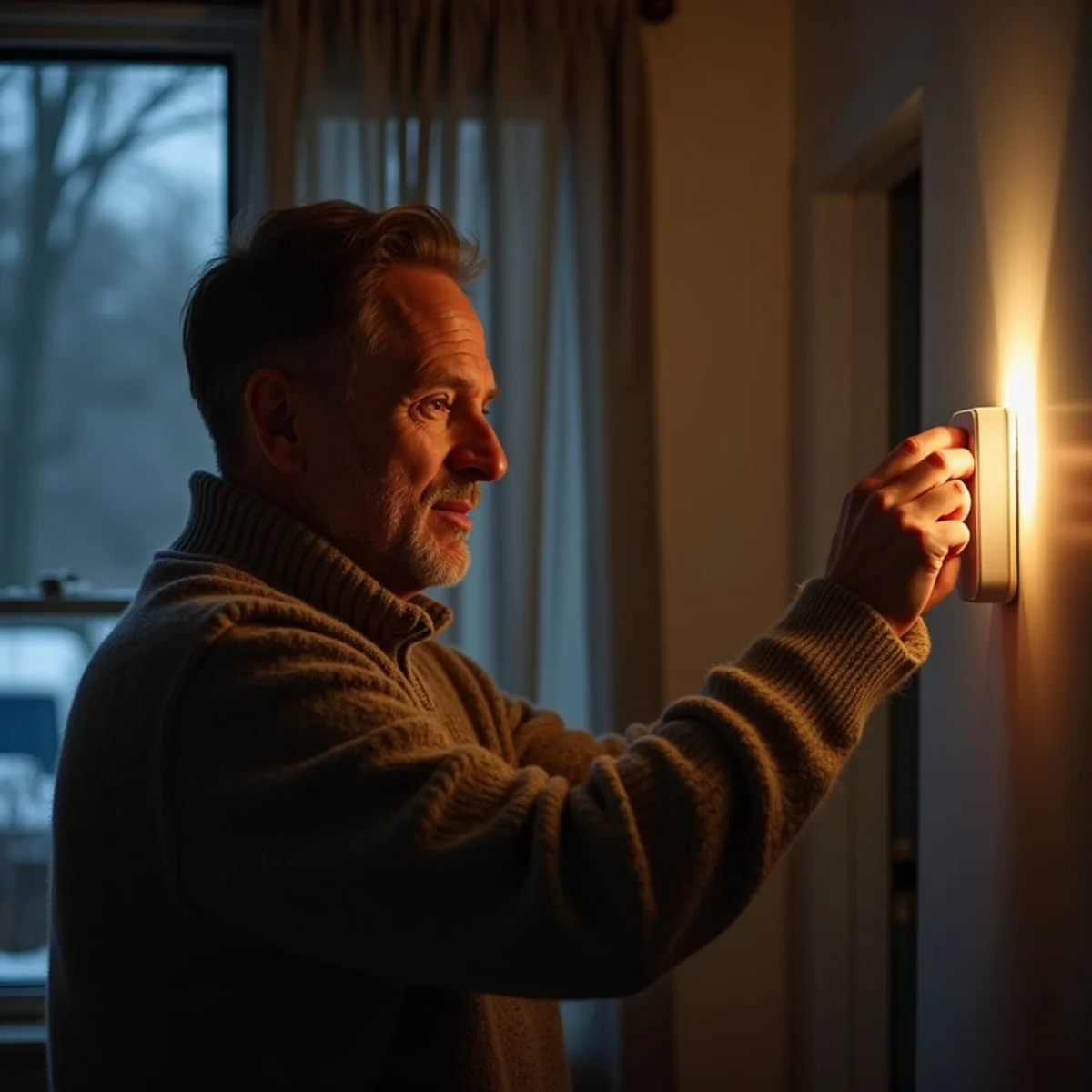
The short answer
If your furnace quit and the house is getting cold, run these five safe checks first: confirm the thermostat is set to HEAT and above room temperature (replace its batteries), check for a clogged air filter, check the furnace and breaker panel, make sure the furnace power switch is on, and — if you have propane — glance at the tank gauge. If all five are fine and you still have no heat, or you smell gas or your carbon monoxide alarm is sounding, stop and call for emergency furnace repair at (321) 478-0693.
First: when NOT to troubleshoot at all
Some situations are not DIY moments. If you smell gas anywhere in the home, get everyone outside, leave a door open, do not touch light switches or anything that could spark, and call from outside. If a carbon monoxide alarm is sounding, treat it as real — CO is odorless — get into fresh air and call 911 if anyone feels dizzy, nauseated or confused. A persistent burning or electrical smell means shut the furnace off at the breaker and call.
Everything below assumes none of those are happening and you simply have no heat on a cold night. On those nights in Somerset — January lows average around 29°F and drop lower in a snap — frozen pipes become a real risk, so work through this quickly, then call if it is not resolved.
Check 1 — The thermostat
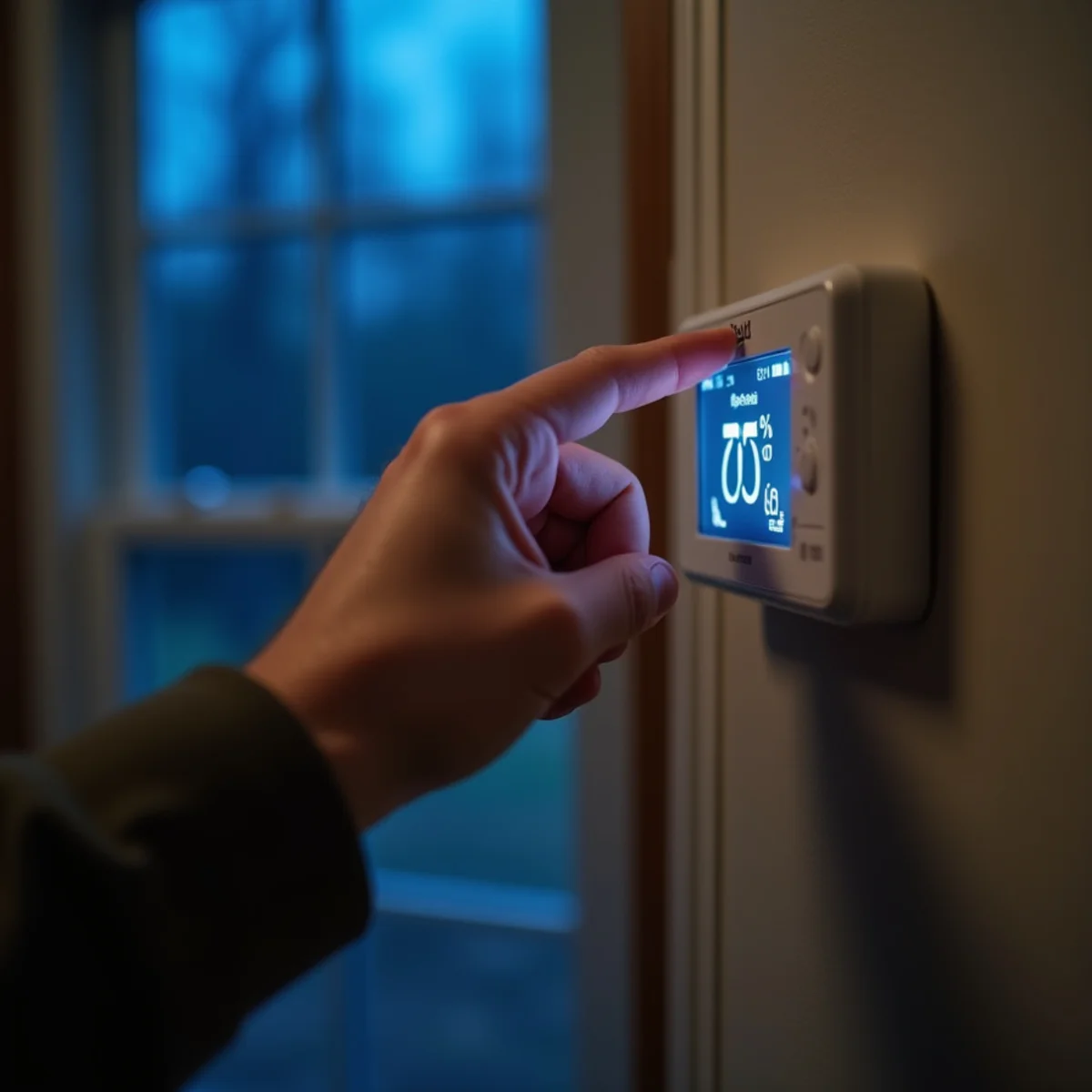
It sounds obvious, but a dead thermostat battery, a schedule holding the temperature down, or a mode set to "cool" or "off" is behind more no-heat calls than anyone likes to admit. Set it to HEAT, push the target several degrees above the current room temperature, and if it takes batteries, put in fresh ones. Listen for the system to kick on within a minute or two.
If you have a heat pump rather than a furnace, there is a second move here: switch the thermostat to emergency (auxiliary) heat. That bypasses the heat pump and uses the backup electric strips to keep the house warm. It will run up the power bill, but it protects the home while you wait for a repair.
Check 2 — The air filter
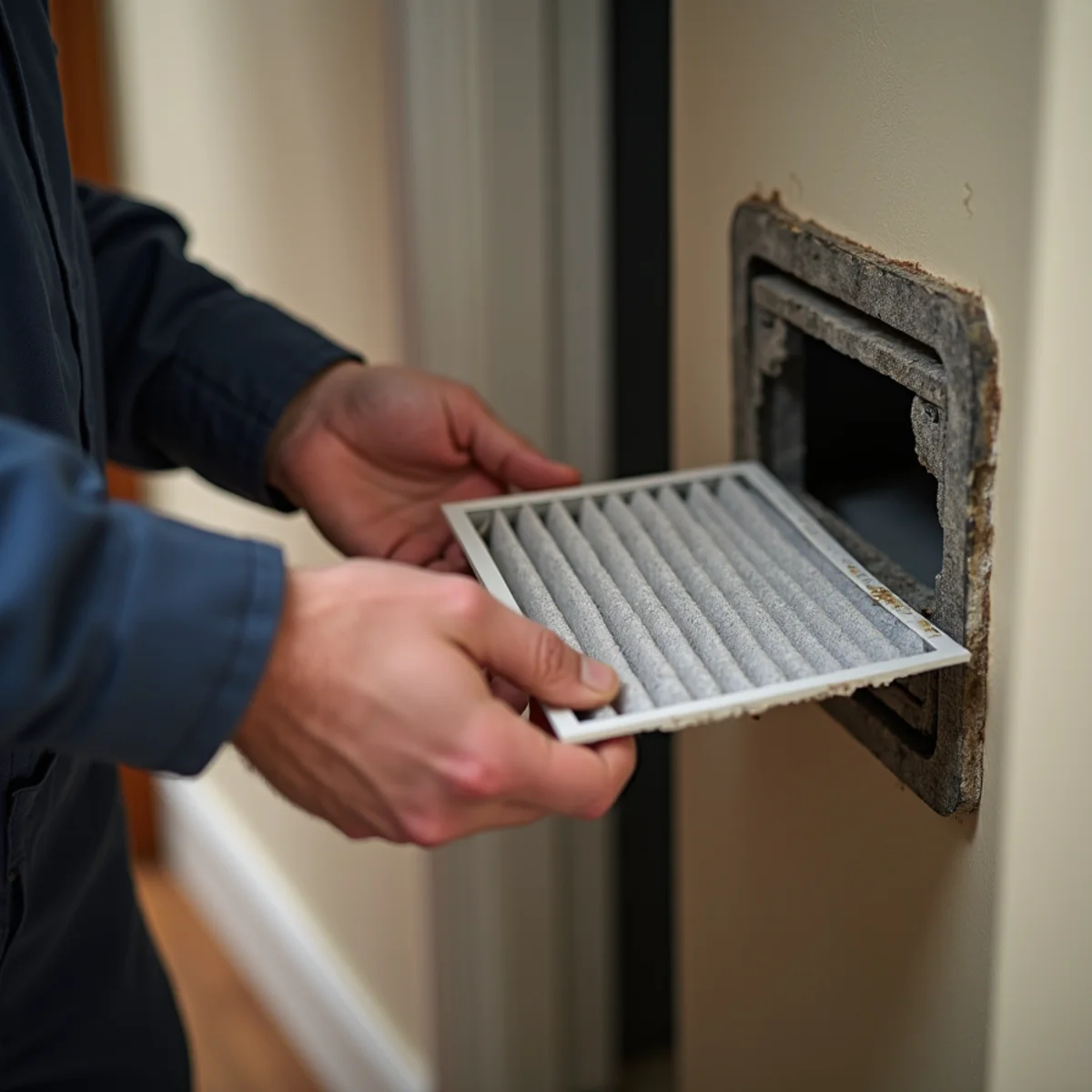
A filter clogged solid chokes off airflow, and modern furnaces respond by shutting down on a high-limit safety before they overheat. If your filter is gray and matted and you cannot remember the last time it was changed, that alone can be the problem. Pull it, and if it is filthy, replace it or run the system briefly without it while a new one is on the way.
This is the single most common preventable cause of a furnace "failure" we see, and the fix costs a few dollars.
Check 3 — Breakers and the furnace switch
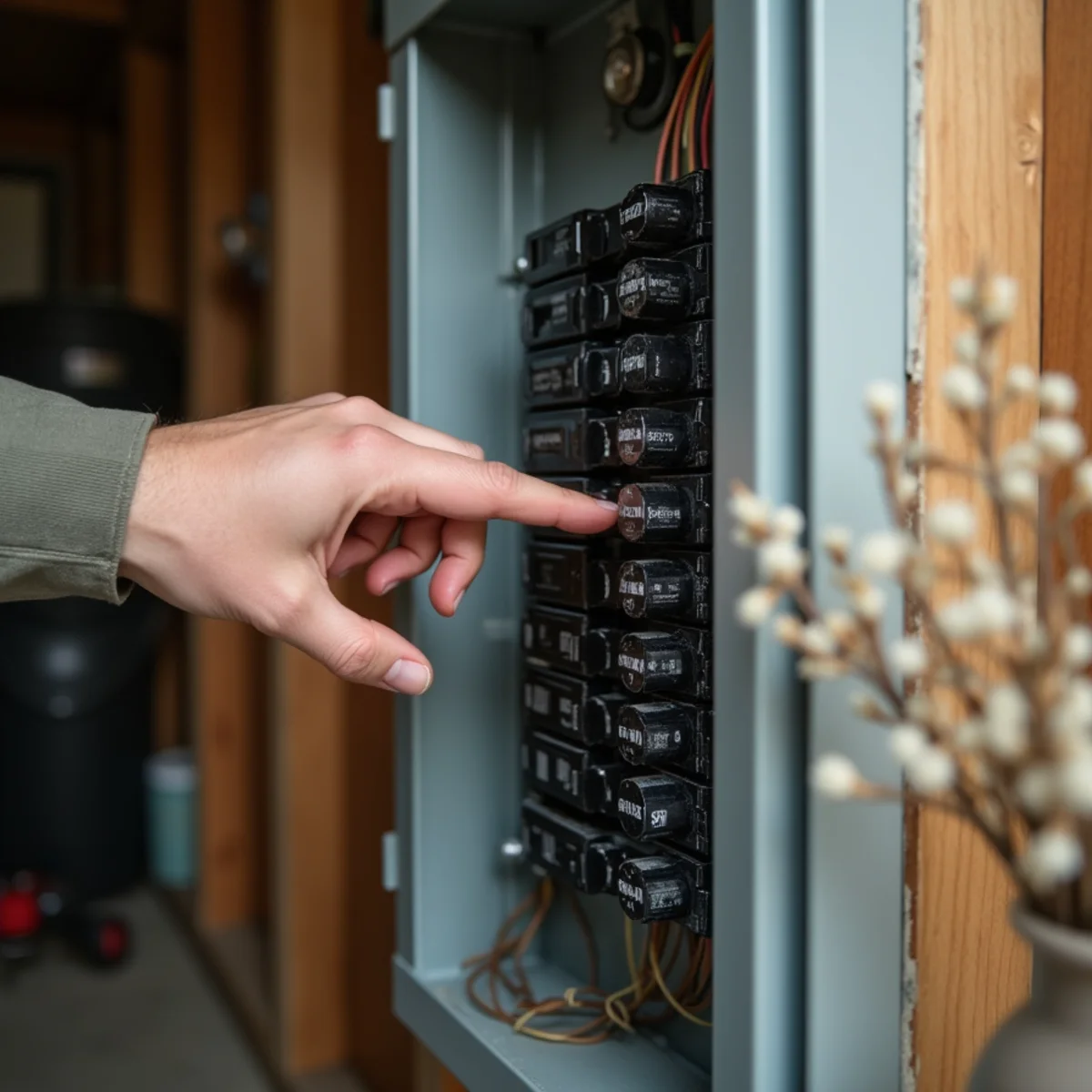
Head to the electrical panel and look for a tripped breaker serving the furnace or air handler; flip it fully off, then on. Then find the furnace itself: there is almost always a standard light switch on or near the unit that controls its power, and it gets bumped off by someone in the basement or utility closet surprisingly often.
While you are there, check the condensate safety switch if your system has one — a backed-up drain can trip it and cut power to the furnace as a protection. If the breaker trips again immediately after you reset it, stop; a breaker that keeps tripping is telling you something is wrong, and that is a call, not a retry.
Check 4 — Propane tank level (county homes)
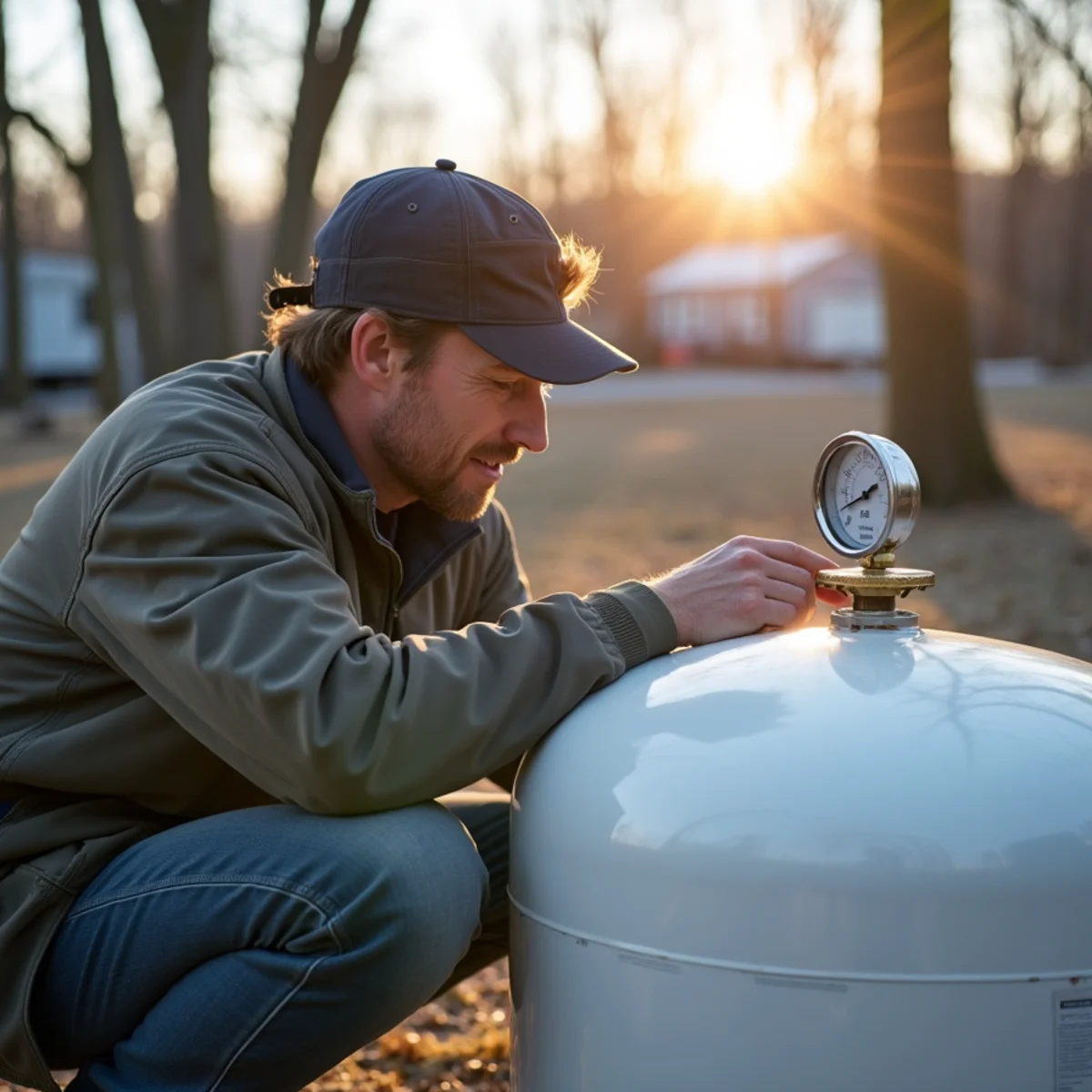
Outside Somerset's city gas lines, most homes heat with propane, and a furnace cannot make heat from an empty tank. Walk out and read the tank gauge. If it is near empty or below about 20 percent in deep cold, that is your answer — call your propane supplier, not an HVAC technician. In a hard freeze, a regulator can also frost up and restrict flow even on a tank with fuel in it.
This one check saves rural Wayne and Russell county homeowners an unnecessary service fee more often than you would think.
Check 5 — Vents, registers and the flame
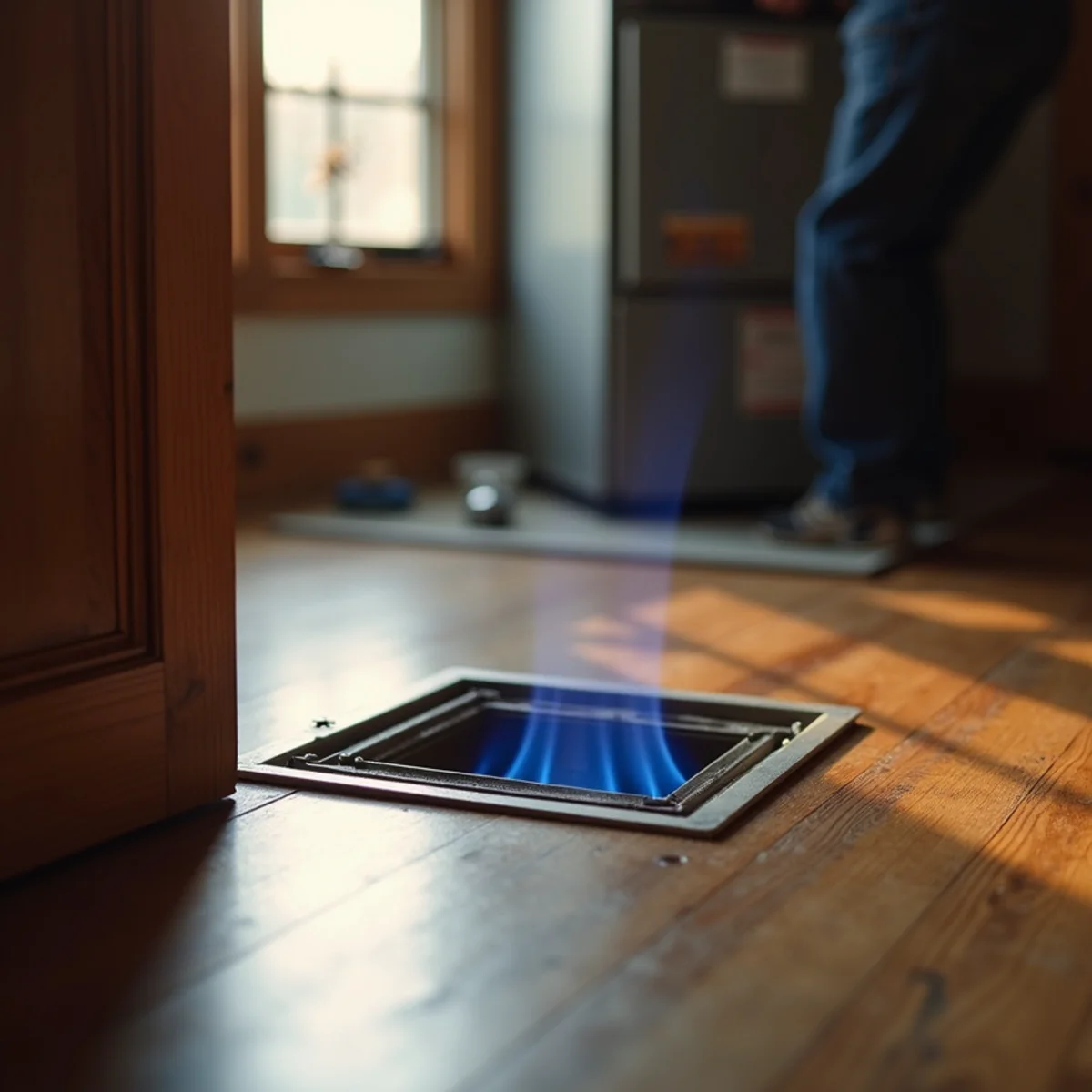
Make sure supply registers are open and not blocked by furniture or rugs; too many closed vents can choke the system. If you have a gas or propane furnace with a sight glass, a healthy flame is crisp and blue. A lazy yellow flame, soot, or a furnace that lights and then shuts off after a few seconds points to a dirty flame sensor or a failing igniter — common, repairable, but a job for a technician.
If you have run all five checks and still have no heat, you have done the safe, sensible triage. The next step is a diagnosis.
When to call for emergency furnace repair
Call right away if: you smell gas or your CO alarm sounds (from outside); the breaker keeps tripping; the furnace lights and quickly shuts off repeatedly; you hear loud banging or grinding; or the house is dropping toward freezing with an infant, an elderly resident, or anyone medically vulnerable inside. Those cannot wait for morning.
QC Heating & Cooling Pros answers 24/7 and sends a licensed, insured Kentucky technician. We carry the common no-heat failure parts, so a large share of calls — igniters, flame sensors, capacitors, safeties — are fixed on the first visit. You get the price before any work starts, even at 2 a.m. For the full picture of how our after-hours dispatch works, see our emergency HVAC repair page; if you are in Monticello or the surrounding rural county, our Monticello service area page covers propane-furnace specifics for Wayne County.
Frequently asked questions
Is it safe to run my furnace if it keeps shutting off?
A furnace that lights and shuts off repeatedly (short-cycling) is usually tripping a safety — a dirty flame sensor, an overheating high-limit from a clogged filter, or a flue problem. It is not dangerous to leave off, and that is the safer choice until it is diagnosed. Do not keep forcing it to restart, especially if you smell anything burning.
Why is cold air coming from my vents when the heat is on?
Check whether the thermostat fan is set to "on" instead of "auto" — on "on," the blower runs even between heat cycles and pushes room-temperature air. If it is a heat pump, the air is naturally cooler than a furnace, and it blows cool briefly during a defrost cycle. Genuinely cold air with the system calling for heat points to a real fault worth a service call.
Why does my furnace work during the day but quit at night?
A furnace that runs fine when it is milder but fails overnight is usually struggling with the colder load or a marginal part that gives out under strain — a weak igniter, a dirty flame sensor, or a heat pump dropping onto failing backup heat as the temperature falls. On propane, a regulator can also frost up and restrict flow in the coldest hours. It is worth a diagnosis before the next hard freeze rather than a nightly gamble.
Still have a question, or need help right now?